


Strengthening Sierra Leone’s Rice Value Chain through Seed Quality Training

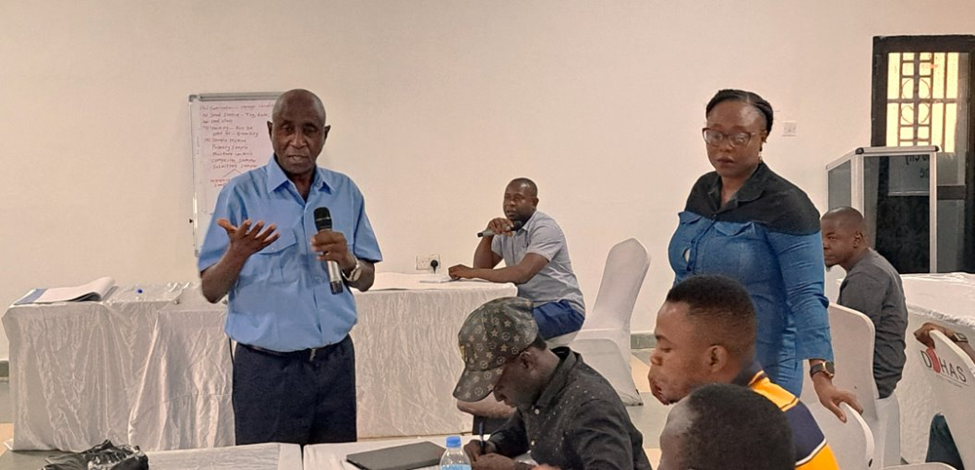
On October 19, 2025, Africa Rice Center (AfricaRice) in collaboration with its partners under the IsDB-funded Reverse Linkage project held a pivotal training workshop in Sierra Leone, marking a significant milestone in the ongoing efforts to strengthen the country’s rice seed sector. The workshop aimed to address persistent technical gaps limiting both the quality and quantity of rice seed production. By focusing on the development of core competencies among seed value chain actors and enterprises, the workshop sought to lay a foundation for sustainable improvements in the sector. The training brought together 36 participants from both public institutions and private seed enterprises. Recognizing the multifaceted challenges faced by the seed sector, the program was intentionally structured to be both practical and interactive. It blended multiple learning methods, including classroom presentations and discussions, field demonstrations, group exercises, practical sessions, and experience-sharing.
The success of the workshop was underpinned by the technical expertise provided by AfricaRice and the National Agricultural Research Systems, namely, SLARI and SLeSCA who developed the training materials and facilitated the sessions, with the support of the Project Coordinating Unit of the Reverse Linkage project. The NARS also played a vital role in participant mobilization, logistical organization, and post-training follow-up to ensure that newly gained knowledge would be applied in participants’ respective institutions. Importantly, each participant was tasked with developing a post-training action plan to help translate their new skills into meaningful institutional improvements.
The outcomes of the workshop were highly encouraging. Participants reported a better grasp of seed certification and field inspection procedures, improved practical skills, and greater confidence in rice seed production and post-harvest handling techniques. They also felt better equipped to contribute to improve varietal purity, traceability, and governance within the rice seed sector. These improvements are expected to have a lasting impact on the consistency and quality of rice seed production in Sierra Leone, ultimately supporting the delivery of high-performing rice varieties to farmers and strengthening national food security.


Comments